Moving Off For The First Time: The Bite Point And The Stall
The first time you move a car under your own control, it will lurch, or it will die, or both. That is normal. The clutch is a skill nobody is born with, and the first hour of it is meant to be clumsy.
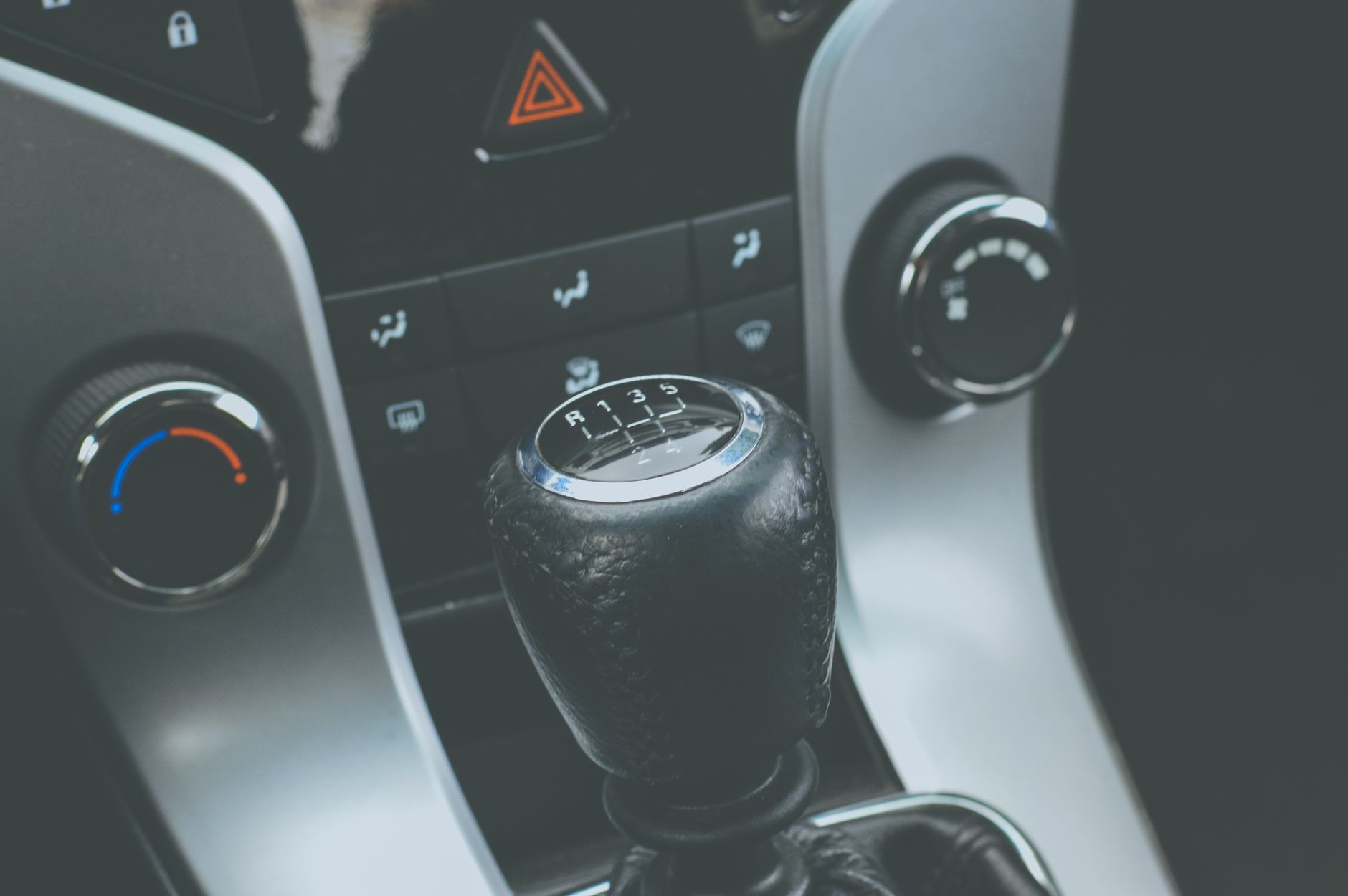
Once the cockpit drill is done and you know where the pedals are, the next job is getting the car to move smoothly. This is the meat of the early lessons, and it is all about one thing you cannot see and have to learn by feel. The bite point.
What the bite point actually is
Press the clutch flat and the engine is disconnected from the wheels. Lift it all the way and they are fully joined. Somewhere in the middle is the spot where they just start to meet, and the car begins to pull. That is the bite point. You feel it through the pedal and hear it in the engine, a small drop in the note. Find it, hold it, and add a touch of gas, and the car moves off like it meant to.
Moving off, step by step
Clutch flat, into first gear. A little gas, and hold it steady. Lift the clutch slowly to the bite point and pause there, feeling the car strain against the handbrake. Handbrake down. Now ease the clutch up the rest of the way while the gas rises to meet it. Done right it is one smooth pull away from the kerb. Done wrong it kangaroos, or it stalls, and doing it wrong a few times is how you learn to do it right.
Slow on the clutch, gentle on the gas. Every jerky start comes from rushing the clutch or stabbing the accelerator. The bite point does not reward speed. It rewards a steady foot that has done it enough times to stop thinking about it.
The stall, and why it is not the problem
You will stall. Everyone does, and you will do it again months later at a busy junction with someone behind you. Here is the thing to know now, while it is calm. The stall itself is nothing. You put the handbrake on, clutch down, restart, and move off again. Ten seconds. What turns a stall into a mess is the panic after it: the over-rev, the kangaroo, the second stall, the red face. The car behind can wait ten seconds. Learn to not hear the beep and the stall stops mattering.
Why this block is worth getting right
The learner who never truly nailed the clutch is the same one who stalls at the lights on test day and comes apart. Not because the stall failed them, but because they never built the calm recovery that makes a stall a non-event. Get the moving-off smooth and boring now, in a quiet spot, and it stays smooth when it counts.
Moving off is the first real thing the car does for you, and it is the foundation the busier lessons lean on. For how it fits with everything else in those early hours, here is what actually happens across your first driving lessons. Master the bite point and half the early nerves go with it.