The Ultimate Guide to Clutch Control for New Drivers
The clutch is where every learner in a manual gets humbled, usually at a busy junction with someone behind them. Get it and the whole car stops fighting you. Don't and every set of lights is a small ordeal. It's the one skill worth drilling until your left foot does it without asking.
Here's the reframe that helps. The clutch isn't an on-off switch. It's a dimmer. There's a range in the middle, the bite point, where the engine and the wheels are half-talking to each other, and that range is where all the useful control lives. Learn to live in the middle instead of stamping between the ends.
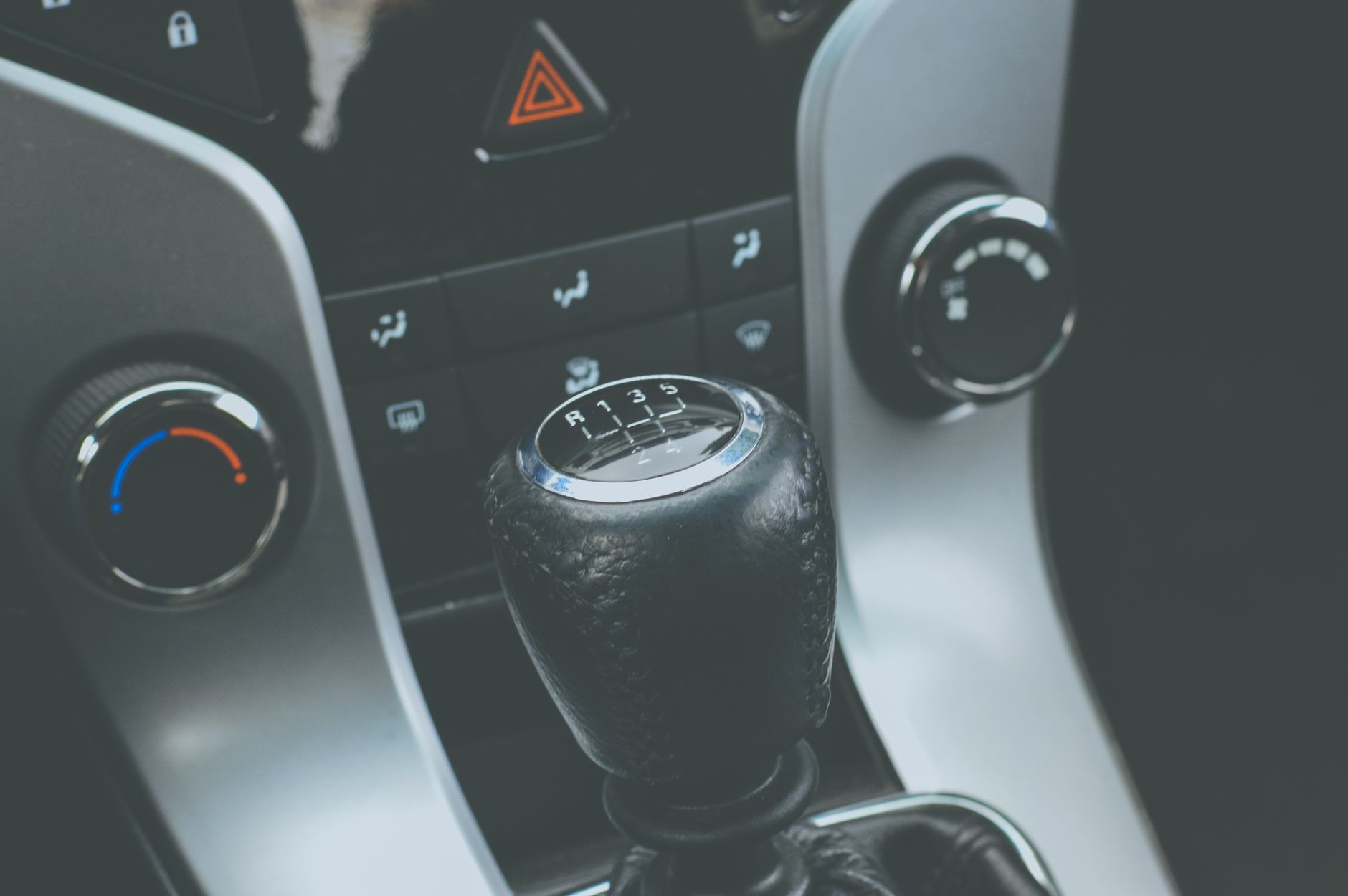
Find the bite point first
Before anything else, learn to feel where the clutch bites. Handbrake on, engine running, no gas, let the clutch up slowly until the nose of the car dips slightly and the engine note drops a touch. That's it. That's bite. Hold it there. Feel it. On flat ground you can practise moving off on that alone, and the smoothness surprises people who've been over-revving to cover for not knowing where bite is.
You stall at the lights. The car behind beeps. Your face goes red. You panic-start, over-rev, kangaroo forward and stall again. None of that was the stall. The stall was fine. Everything after the beep is the problem, and the beep is the thing you have to learn to not hear.
The hill start
This is the one people dread, and it's just the bite point with the handbrake as a safety net. Picture it. You're third in the queue at a hill junction, handbrake on because you were taught right. Light goes green. You bring the clutch to bite, feel the car strain against the handbrake, add a touch of gas, and release the handbrake as bite takes the weight. Bite, gas, handbrake off, all inside about a second and a half, or the car rolls back into the fella behind. Practise it until it's boring.
Smoothness over speed
Don't rush the pedal. A clutch fed too fast either stalls or lurches, and one dropped too eagerly wears out early, which you'll care about when you're paying for it. Smooth is quicker in the end because smooth doesn't stall. This is core to the structured learning that saves you time and money, and it's the sort of thing that comes right with real road hours, not car-park laps, so once you've the basics of a manual car understood, put the miles in. The left foot learns by feel or not at all.