The Ultimate Guide to Basic Car Maintenance for New Drivers
You get taught to drive the car. Nobody teaches you to keep it running. So people drive one into the ground without ever lifting the bonnet, and are then surprised when a warning light turns into a tow truck and a bill with a comma in it.
You do not need to be a mechanic. You need to catch the small thing before it becomes the big thing, because almost every expensive failure spent weeks as a cheap one first, quietly asking to be noticed. Ten minutes a month is the whole of it.
The checks worth the habit
- Tyres. Pressure when cold, roughly once a month, set to what the car's manual says. Tread kept above the legal limit with a bit to spare, and an eye out for uneven wear, which tells you something else is wrong. They are the only thing touching the road.
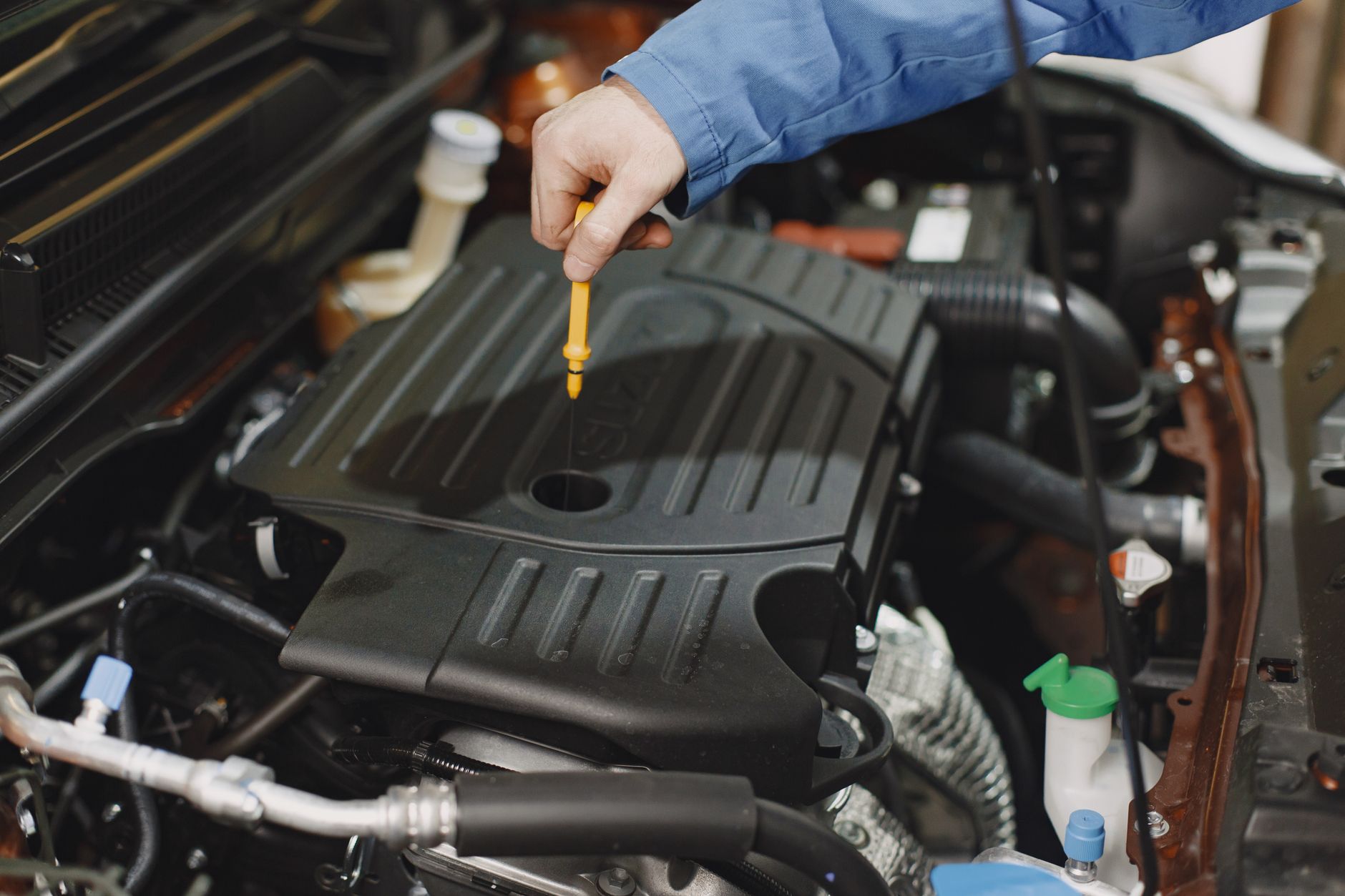
- Oil. Dipstick cold, on level ground, between the two marks. Low oil kills an engine quietly and quickly. This one check, done monthly, saves more money than everything else put together.
- Coolant. Between minimum and maximum in the header tank, checked cold, never opened hot. An overheating engine is a fast and expensive death.
- Lights. Walk around the car. Every bulb, both indicators, the brake lights. A dead brake light is invisible to you and a real danger to the car behind.
A red warning light, a new noise, a spongy or long brake pedal, or a smell of burning. Brakes above all. The moment the pedal feels wrong, the car goes to a garage, not next week. Brakes are not a thing you gamble on.
Tyres are the one worth obsessing over
If you only ever check one thing, check the tyres, because they are the only four patches of rubber holding you to the road, each about the size of your hand. The legal minimum tread in Ireland is 1.6mm, and the small raised bars sitting between the grooves are the wear markers: when the tread wears down level with them, the tyre is finished, legal limit or not. Under-inflated tyres wear at the edges, drink fuel and handle badly in the wet. Over-inflated ones wear in the middle and skitter over bumps. A tyre that is fine in the dry can aquaplane in heavy rain once the tread is low, which is exactly when you need it most. Check them cold, once a month, and do not nurse a bald one to payday.
Read the book
The owner's manual tells you the right tyre pressures, the service intervals and what each dashboard light means, for your exact car. It is the least glamorous thing in the glovebox and the most useful. Ten minutes with it saves you guessing, and guessing about a car is how small bills become large ones.
Why it is worth it as a new driver
A well-kept car is a safer car and a cheaper one to own, and running costs matter enormously when you are already being hammered on insurance as a new driver. Learning what to check also makes you a smarter buyer, so you do not inherit someone else's neglect the day you sign for a first car. Look after the car and it looks after you. Ignore it and it picks the worst possible moment to say so.