The first frost, in order
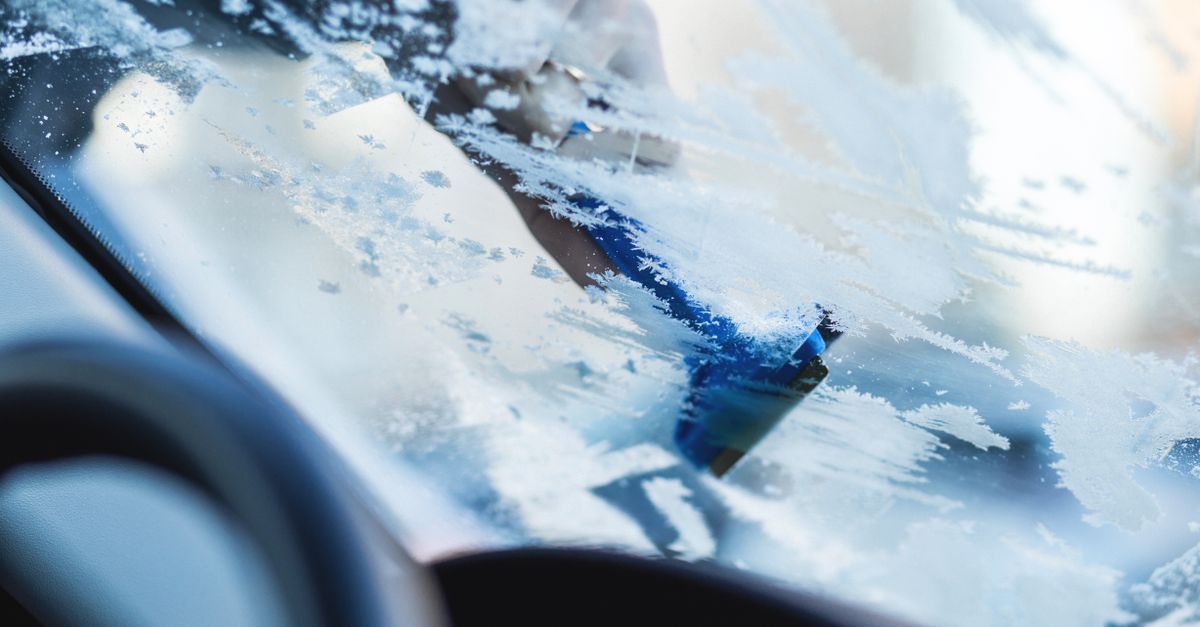
A frost routine is the short set of checks a driver runs on the first cold morning of the season, before the car moves and in the first minutes after. It differs from weekly car checks because the ice, not the calendar, sets the order. The glass comes first, then mirrors and lights, then tyres, and after that the drive itself. Allow extra time, since every later step depends on clear glass.
First, the glass
The first step is the glass, all of it, not a porthole in front of the driver. The Rules of the Road say windows should be kept clean so the road and other road users can be seen clearly. Start the engine, set the heater to the windscreen and switch on the rear demister. Next, clear every window with a scraper and de-icer, which the Road Safety Authority (RSA) advises carrying through the winter. Never pour hot water on the windscreen, because the RSA warns that it can crack the glass. Then de-mist the inside of every window thoroughly, since a clear outside is no use if the inside is fogged. The common fault is a clear patch with frosted edges, and the fix is to keep scraping.
Second, mirrors, lights and washers
The second step covers what the driver looks through and what helps the car be seen. First, clear both door mirrors, since a frozen mirror hides traffic alongside. Then brush frost off every lens, because a frosted lens dims the beam and hides the car. On a dark morning, headlights must be on during lighting-up hours, with only a few narrow exceptions. After that, test the washers and keep the reservoir full of an anti-icing fluid, as the RSA recommends. Plain water can freeze in the pipes and leave the screen smeared with road grime.
Third, the tyres
The third step is the tyres, because grip is what ice takes away first. The RSA's winter advice is to check every tyre, including the spare, and replace any with tread below 3mm. That figure is advice for winter grip, and it sits above the legal minimum. Next, check the pressures with the tyres cold, against the figures in the handbook. A tyre near the limit should be changed before the hard weather, not after it.
Fourth, reading the road
The fourth step begins once the car moves, and it is about reading the road. Black ice is nearly transparent, and the RSA's advice on snow and ice notes that it can look like a harmless puddle. It lingers in sheltered or shaded places, under trees, beside high walls, and on bends and corners that the morning sun has not yet reached, even when the rest of the road looks dry. Bridges can freeze early too, so treat them with the same suspicion. Use the highest gear that suits the speed, which the RSA advises to avoid wheel spin. Steer gently and avoid harsh acceleration, since every sudden input asks for grip that may not be there.
Fifth, the gap ahead
The fifth and final step is the gap ahead, which has to grow with the cold. Garda winter advice says it can take up to 10 times longer to stop on ice. In bad weather, the RSA advises staying four seconds behind the car in front, and on ice even that may be too little. Brake early and gently, and keep braking and steering apart, as Gardaí advise. The order is the method. Each step relies on the one before, because ice that goes unseen leaves no room to stop.
The next step
These checks sit beside the weekly car checks gathered under pre-drive checks, in order. Car checks before a long journey go further, and they are set out in preparing the car for a long drive. Learners preparing for show me, tell me questions in Ireland can practise each check in this same order.
If you are still learning, the next step is covered on learning in an automatic car around Cork.